Dime Ecosystem Overview: Developer Tools & Infrastructure
An educational mapping of the applications, developer libraries, RPC gateways, and infrastructural components that form the broader Dime ecosystem.
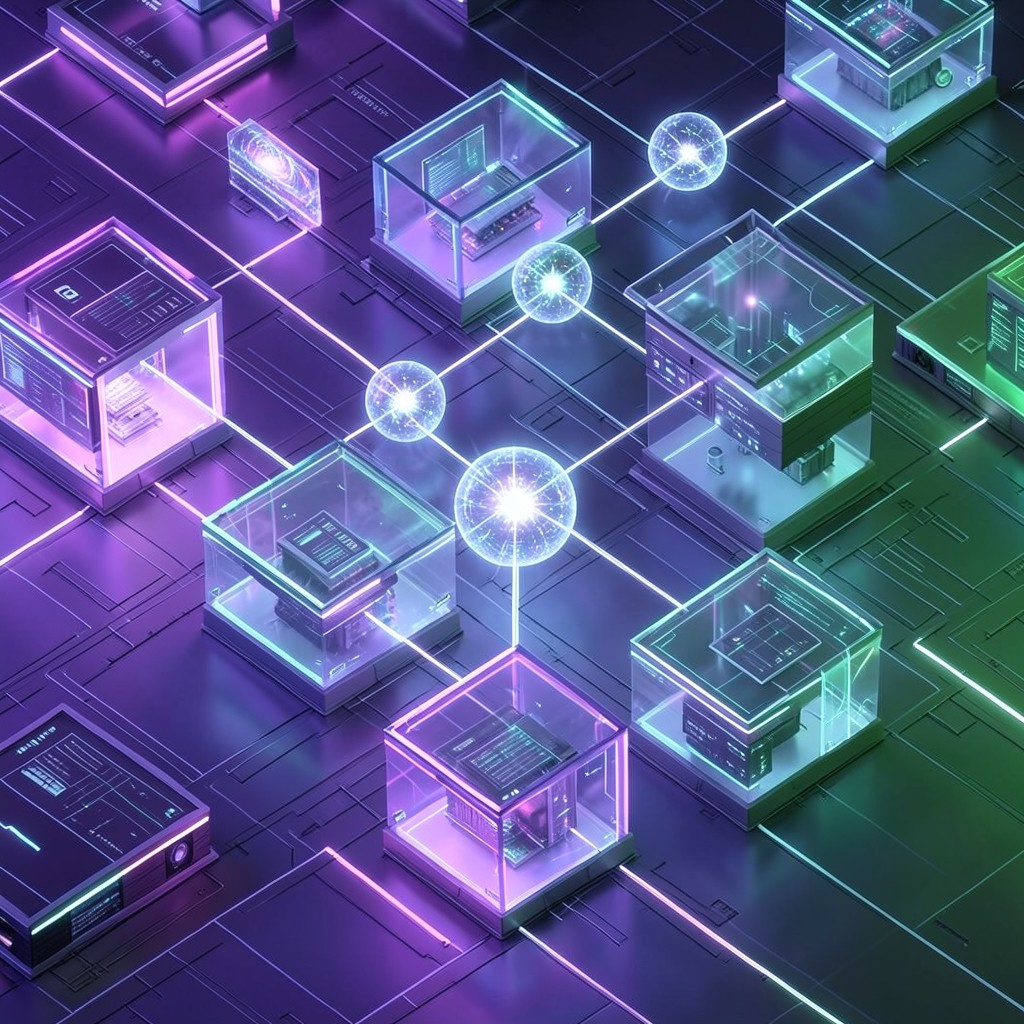
Understanding the Layered Ecosystem
A decentralized ledger is only the foundational layer of a broader technology ecosystem. For applications and users to interact with the underlying protocol, multiple supporting software layers must work together seamlessly.
+-------------------------------------------------------------------------+
|                  THE DECENTRALIZED ECOSYSTEM STACK                      |
+-------------------------------------------------------------------------+
|  User Layer:       Browser Extensions, Desktop Explorers, Dashboards    |
+-------------------------------------------------------------------------+
|  Interface Layer:  Client SDKs (TypeScript, Rust, Python, Go)           |
+-------------------------------------------------------------------------+
|  Query Layer:      Data Indexers, GraphQL Gateways, Event Listeners     |
+-------------------------------------------------------------------------+
|  Transport Layer:  JSON-RPC Gateways & WebSocket Stream Endpoints        |
+-------------------------------------------------------------------------+
|  Base Protocol:    Dime Validator Network & Consensus Engine            |
+-------------------------------------------------------------------------+
Core Ecosystem Categories
1. Developer Software Development Kits (SDKs)
Developer SDKs abstract low-level cryptographic operations and binary serialization into readable programming functions.
- Key Generation Libraries: Creating standard hierarchical deterministic keypairs.
- Transaction Builders: Constructing instructions, packing arguments into standardized byte formats, and computing hashes.
- Connection Managers: Establishing resilient WebSocket and HTTP RPC connections with automatic fallback routing.
2. Remote Procedure Call (RPC) Gateways
Applications do not typically run their own validator nodes. Instead, they communicate through RPC nodes using the JSON-RPC 2.0 specification:
getLatestBlock: Querying the current block height and finalized state root.getAccountInfo: Retrieving the state balance, data buffer, and execution ownership of a given address.sendTransaction: Submitting a signed raw transaction payload to the node’s mempool for broadcasting.
3. Data Indexers & Explorers
Because raw blockchain nodes are optimized for fast state execution rather than complex historical queries, data indexers listen to block events, parse raw logs, and ingest historical state into searchable relational or time-series databases.
- Block Explorers: Web interfaces allowing researchers and users to inspect blocks, transaction receipts, validator schedules, and gas consumption.
- Analytics Pipelines: Tracking aggregate network metrics, TPS (transactions per second), and smart contract invocation frequency.
How Components Interact: A Typical Query Flow
- An educational monitoring tool requests the current block status.
- The client library converts the query into a JSON-RPC payload:
{"jsonrpc":"2.0","id":1,"method":"getBlockHeight"}. - The RPC gateway processes the query against its local indexed state and returns a structured response.
- The client library parses the result and updates the user interface in real time.
Educational Takeaway
By understanding the division of responsibilities across the ecosystem stack, software architects can design resilient, fault-tolerant applications without placing unnecessary computational load on the core consensus layer.
Explore Related Educational Resources
Continue your journey through our structured glossary or join a live cohort session for hands-on architectural discussion.